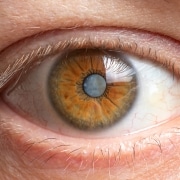
Tips to Reduce Your Risk of Getting Cataracts
Do you have cloudy vision or see halos around lights? Getting older often means dealing with increased risks of eye conditions, including cataracts. These occur when your eye lenses become clouded. Our optometrists in Champaign, IL, at Champaign Eye Professionals offer treatment for cataracts if they’re severe enough to interfere with your vision. But you can take steps now to help reduce your risk of getting them.
Don’t Skip Eye Exams
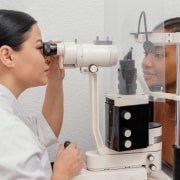
Routine eye and vision exams are always important. If you’re concerned about developing cataracts, these visits give us a chance to check for them on a regular basis. Finding them early means we can monitor them and provide treatment if needed.
Stop Smoking
Being a smoker means you have a higher chance of getting cataracts — and many other health issues. Work on quitting if you have this habit.
Protect Your Eyes from the Sun
UVB rays from the sun can damage your vision and increase your risk of having cataracts. Throw on a pair of sunglasses before heading outside, even in winter. But make sure they offer protection from UVB rays!
Manage Medical Conditions
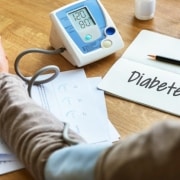
Some diseases, such as diabetes, give you a higher risk of having cataracts and other eye conditions. Work on managing these underlying health issues to protect your vision.
Fill Up on Fruits and Vegetables
Berries, spinach, and other fruits and vegetables have antioxidants that help keep your eyes healthy and safe from damage. Include these in meals, and enjoy them as snacks!
Schedule an Eye Checkup Today!
Worried about getting cataracts? Regular eye exams are an important part of finding them early and treating them as needed. Our optometrists at Champaign Eye Professionals offer cataract treatment in Champaign, IL, to help support your vision!