
Three Things Diabetes Can Do To Your Eyes

People with diabetes have a hard time processing blood glucose, so there is often too much sugar in the blood. This excess blood sugar can wreak havoc on tissues throughout the body, including those in the eyes. In fact, diabetic eye damage is the biggest cause of vision problems in adults between the ages of 20 and 74. If you have diabetes, it’s crucial to work closely with your doctor to get your blood sugar levels under control. You will also need to visit your Champaign, IL eye doctors at Champaign Eye Professionals so they can watch for and treat these diabetic eye diseases:

1. Diabetic Retinopathy

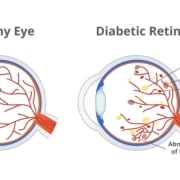
This is one of the top causes of blindness for adults in America. High blood sugar damages blood vessels in the retina. Sometimes, it causes these vessels to leak or to grow abnormally. The retina processes light into images, so if these vessels are damaged, your ability to see can decline. Fortunately, with active diabetes management and regular diabetic eye exams and treatment from your optometrists in Champaign, IL, diabetic retinopathy can be slowed or even stopped.

2. Glaucoma

People with diabetes have a much higher incidence of glaucoma, which causes elevated fluid pressure in the eye. High blood sugar causes elevated pressure, which occurs because eye fluids cannot drain normally to maintain healthy pressure. This excess pressure damages nerves and blood vessels, which can reduce your vision. Regular diabetic eye exams are crucial for detecting glaucoma development early, allowing for timely treatment and prevention of blindness.

3. Cataracts

Diabetes can also cause and accelerate the formation of cloudy cataracts in the lens of the eyes. Although anyone can develop cataracts that cloud the eye’s lens, people with higher blood sugar levels from diabetes run a greater risk of getting them earlier and having them develop faster.

Visit the Optometrists Champaign Neighbors Rely on For Excellent Diabetic Eye Care

If you have diabetes, preserving your vision requires an active, two-pronged approach:

  1. Follow your doctor’s plan for lowering and managing your blood sugar
  2. Attend regular diabetic eye exams to detect and treat problems early to slow or stop damage to your eyes.

Schedule an appointment with us today here at Champaign Eye Professionals for specialized diabetic eye exams and proactive treatment to maintain your eye health.

How Can You Prevent Diabetic Retinopathy?

Having diabetes puts you at risk of several complications, including vision loss. A condition called diabetic retinopathy can cause this due to damaged retinas. Our eye doctors in Champaign, IL, at Champaign Eye Professionals offer testing and care for this condition. But what can you do to lower your risk of getting it in the first place?

Manage Diabetes

Keeping your blood sugar levels under control helps reduce the risk of losing your vision if you end up with diabetic retinopathy. That means making sure you eat healthy and get exercise each day. Keep a close eye on your blood sugar levels each day to see if they’re being managed.

Watch Your Cholesterol and Blood Pressure Levels

Controlling these levels also helps lower your risk of getting diabetic retinopathy. Eating nutritious foods and avoiding those filled with saturated fats and sugar can help prevent high blood pressure and cholesterol levels.

Give Up Smoking

Do you use tobacco products, like cigarettes? Being a smoker raises your chance of needing treatment for diabetic retinopathy in Champaign, IL. Quitting this habit helps protect you from vision loss and keeps you healthier overall.

Seek Care for Vision Changes

Have you noticed any changes in your vision? If you have diabetes or a higher risk of this disease, see our eye doctors to have your eyes and vision evaluated. We can check for signs of diabetic retinopathy and provide care as needed.

Schedule an Appointment for Diabetic Retinopathy Care

Are you at risk of this condition? At Champaign Eye Professionals, our optometry team can test for diabetic retinopathy in Champaign, IL, and provide treatment for it as needed. We can also offer additional guidance on protecting your vision.

The Role of Eye Exams in Detecting Diabetes

An eye exam isn’t only about checking if you need new glasses. It also provides a window into your overall health. One of the most important conditions that can be detected through the eyes is diabetes, often before a person even realizes there’s a problem, as your Champaign, IL optometrist explains.

How Diabetes Shows Up In The Eyes

Diabetes can affect the tiny blood vessels in the retina, the layer at the back of the eye that processes light. When those vessels weaken or leak, it’s called diabetic retinopathy. In its early stages, it may not cause noticeable changes in vision, but over time it can lead to blurred sight or even vision loss. Because the condition develops quietly, routine eye exams play a major role in catching it before it progresses.

What Makes A Diabetic Eye Exam Different

For people already diagnosed with diabetes, diabetic eye exams are designed to track these changes more closely. They involve a careful look at the retina, sometimes using special imaging, to check for early damage. These exams are different from a standard vision test because the focus is on eye health rather than just clarity of sight. Early detection gives doctors a better chance to recommend treatments that preserve vision.

Why Timing Matters

It’s not unusual for an optometrist to be the first to spot signs of diabetes. Noticing changes in the eye’s blood vessels can lead to an early referral for medical testing, which can help someone begin managing their health sooner. That kind of early warning can make a lasting difference.

Scheduling regular eye exams, and yearly diabetic eye exams in Champaign, IL for those living with diabetes, is one of the simplest but most effective ways to protect both vision and overall well-being. They provide reassurance, early answers, and sometimes a critical first step toward better health.

Beyond Style: Why Sunglasses Are Essential for Diabetes and Dry Eye Relief

Undoubtedly, the right pair of sunglasses adds a touch of style to any look, but are they more than just a fashion accessory? The sunglasses you get from your optometrist in Champaign, IL, are key if you have conditions such as diabetes or dry eye.

The Impact of Sun Exposure on Eyes

You have been hearing for decades about the dangers of the sun’s ultraviolet (UV) radiation on skin, but they talk less about how it impacts eye health. UV rays wreak havoc on critical parts of the eye such as the cornea, lens, and retina.

Prolonged sun exposure plays a significant role in the formation of cataracts and increases a person’s risk of macular degeneration, one of the leading causes of blindness. The sun’s harmful UV rays also worsen the impact of underlying conditions such as diabetes.

Diabetes and the Eyes

Diabetes can affect the body’s blood vessels, including those in the eye. That can lead to serious complications such as:

  • Diabetic retinopathy—Damage to the blood vessels in the retina
  • Macular edema—Inflammation of the part of the retina responsible for sharp, central vision.
  • Glaucoma—Elevated pressure inside the eye globe.
  • Cataracts—Clouding of the lens of the eyes

Sunglasses can protect the eyes from the sun’s UV radiation, lowering the risk of these complications or slowing the progression of these diseases.

Dry Eye Syndrome and Light Sensitivity

Dry eye syndrome can lead to a destabilized tear film that helps to lubricate the eye. Wearing sunglasses assists in keeping the eyes lubricated by protecting them from wind and debris. They can also help manage the light sensitivity that tends to come with dry eye syndrome.

Not all sunglasses will protect your eyes. Make an appointment today for an eye exam in Champaign, IL, and get sunglasses that look great and provide protection from dangerous UV rays.
Newly Diagnosed? The Impact of Diabetes on Vision

If you are a newly diagnosed person with diabetes, you face a wide range of questions and concerns to address. One of these needs to be your optical health. When left unchecked, diabetes can lead to a range of visual problems, including several conditions that can cause blindness. To protect your vision, you need to be aware of how diabetes impacts your sight and what you can do about it.

High Blood Sugar Can Damage the Retina

High blood sugar levels can cause a couple of problems with the retina. One is diabetic macular edema or DME. This occurs when fluid leaks into the macula, a part of the retina. This fluid distorts or blurs the vision, and it can lead to blindness if left untreated.

The second impact on the retina is diabetic retinopathy. The leading cause of blindness in adults, this condition affects the blood vessels in the retina. High sugar levels cause swelling and leaking, which can cause vision loss. Getting regular checks from an eye doctor in Champaign, IL, is vital to protect against these two issues.

Glaucoma and Cataracts

People with diabetes are also at higher risk for developing glaucoma and cataracts. Both of these conditions can be permanently damaging if left untreated.

Regular Diabetic Vision Screenings Are a Must

Because of the risk of these conditions, people with diabetes need to have regular vision screenings. Your eye doctor in Champaign, IL, at Champaign Eye Professionals will likely want to dilate your eyes in order to check the health of the retina. We will do a thorough eye exam to ensure you are not developing these conditions. In addition, we will encourage you to work with your endocrinologist to keep your blood sugar levels in check so you have less risk of vision damage.

Being newly diagnosed is challenging, but with diabetic eye care from Champaign Eye Professionals, you can proactively protect your sight, in spite of your new diagnosis.

How Diabetes Impacts Eyesight

If you have diabetes or pre-diabetes, it’s important to let your Champaign, IL, eye doctor know. Diabetes in all its forms can negatively impact your eyesight in ways that may not be immediately obvious to you. In particular, diabetic retinopathy is a complication of diabetes that endangers your eyesight. Here are some of the ways that diabetes affects your ability to see:

Damage to Blood Vessels

In diabetes, high levels of blood sugar weaken blood vessels throughout the body, including in the eyes. It can damage the delicate blood vessels in the retina, leading to fluid and blood leaks in the retina itself.

Formation of New Blood Vessels

When damage to the retina’s blood vessels occurs, the body’s natural response is often to form new blood vessels. These new blood vessels are typically even more delicate and weak and can bleed in the gel-like substance that is inside the eye, called the vitreous.

Swelling of the Macula

The macula is a tissue-thin part of the eye located at the back of the eye that’s responsible for central vision. Diabetes frequently causes swelling of the macular, which causes impairment of central vision. There’s also a heightened risk of blindness when this occurs.

Risk of Permanent Vision Loss

Diabetic retinopathy carries with it a higher risk of permanent loss of vision. Certain changes in the eyes are irreversible, which is another reason why it’s essential to have frequent eye exams.

If you have been diagnosed with diabetes or pre-diabetes, be sure to let your optometrist know at your next Champaign, IL, eye exam. Knowing that you have this dangerous underlying condition will help your eye doctor to be especially on the lookout for any signs of vision endangerment. Contact us today to book your next eye exam or to learn more about diabetes and vision loss.

What You Need to Know about Diabetes and Cataracts

If you have diabetes, you should talk with your optometrist in Champaign, IL, about your eyes. Diabetes can wreak havoc on your eyes, and that includes giving you diabetic cataracts. Keep reading to learn more.

What Are Diabetic Cataracts?

People who have diabetes are more likely to develop cataracts at an earlier age than those without diabetes. As you age, the lenses in your eyes become thicker and less transparent. But when you have diabetes, and you age, your high blood sugar levels can change the structure of the lens of your eyes. This is what accelerates the growth of cataracts in your eyes.

When this happens, you will notice clouding in your eyes. Therefore, it’s extremely important to schedule a cataract eye exam in Champaign, IL, immediately if you begin to notice changes in your vision.

What Type of Cataracts Are Caused by Diabetes?

The most common type of cataracts in people with diabetes is called senile type [10]. However, those with type 1 diabetes commonly have what’s called snowflake cataracts. Then, there are posterior subcapsular cataracts that are also associated with people who have diabetes. Your eye doctor in Champaign, IL, will be able to examine your eyes and tell you which type of cataracts you have.

What Is the Treatment for Diabetic Cataracts?

There are several available treatments for diabetic cataracts at the time of surgery that will help prevent your cataracts from getting worse. These include intravitreal steroids of both injections and implants. There are also macular laser therapy treatments and intravitreal anti-vascular endothelial growth factor medications as well.

Do You Need an Optometrist in Champaign, IL?

If you need an optometrist in Champaign, IL, please Contact Champaign Eye Professionals today. We have two highly skilled optometrists on staff, and we are dedicated to helping you maintain a healthy vision throughout your life.

6 Early Warning Signs of Diabetic Retinopathy

Diabetic retinopathy is a serious condition that can eventually lead to blindness if left untreated. Unfortunately, there are few early warning signs that are obvious to the patient. This is why your eye doctor in Champaign, IL encourages you to come in for routine eye exams. Your eye doctor can detect early warning signs of the condition long before they become apparent to you.

Behind the Scenes

What happens behind the scenes in diabetic retinopathy is what eventually leads to some of the warning signs perceptible to the patient later on. This condition includes, but is not limited to, the abnormal growth of new blood cells in the retina.

1. Floaters

Vitreous hemorrhage in diabetic retinopathy is when the new blood cells leak into the vitreous in the center of the eye. This often results in what are commonly called floaters. An increase in the frequency or number of floaters could be an early warning sign of diabetic retinopathy.

2. Lessened Ability to Discern Colors

Colors may appear duller and it may be challenging to detect differences between similar hues.

3. Decreased Night Vision

Vision doesn’t adjust as quickly to changes in light, and night vision may disappear altogether.

4. Pain in the Eyes

Pain from increased pressure inside the eyes may present as dull and throbbing or sharp and sporadic.

5. Fluctuations in Vision Clarity

Vision may suddenly become blurry, then return to clear, then back again.

6. Blank Areas in Vision

Dark spots or “blank” spots may appear in the field of vision. These blank areas may come and go sporadically, they may drift or they might stay in one spot.

comprehensive eye exam in Champaign, IL can help to detect diabetic retinopathy as soon as possible. Contact us to schedule your eye exam today.

Can Diabetes Affect Your Eyesight?

Diabetes is a chronic disease that affects millions of people worldwide. One of the lesser-known complications of diabetes is its effect on your eyesight. In this article, we will discuss how diabetes can affect your eyes and what you can do to prevent and manage diabetic-related eye problems.

The experienced team at Champaign Eye Professionals of Champaign, IL, is proud to serve the local community with premium eye care services, including treating and diagnosing issues that relate to diabetes, regardless of their severity.

What are Diabetic Related Eye Problems?

Diabetes can damage the blood vessels in the eyes, leading to several eye problems, including:

  1. Diabetic retinopathy – a condition that damages the blood vessels in the retina and can cause vision loss.
  2. Diabetic macular edema – swelling in the macula, which can cause blurry vision and potentially lead to vision loss.
  3. Glaucoma – a condition that damages the optic nerve and can lead to vision loss if left untreated.

The symptoms of diabetic-related eye problems can vary depending on the condition, but common symptoms include the following:

  • Blurred or distorted vision
  • Eye floaters or spots
  • Eye pain or pressure
  • Difficulty seeing in low light
  • Loss of peripheral vision

Your Quality Eye Care Provider

We understand the importance of early detection and treatment of diabetic-related eye problems. Our team of experienced professionals uses the latest technology and techniques to diagnose and treat these conditions effectively. Our clinic is also dedicated to educating and supporting our patients to help them manage their diabetes and reduce their risk of developing eye problems. Our goal is to provide quality care and ensure the best possible outcomes for our patients.

During your next appointment with the trained team at Champaign Eye Professionals of Champaign, IL, you can be confident that you are receiving the best care and guidance you and your family deserve.

I Have Diabetes – How Will That Impact My Vision? 

Diabetes can affect your body in dramatic ways, including your eyesight. Knowing what diabetes can do to your eyesight and what you can do to avoid vision problems created by diabetes. At Champaign Eye Professionals, we perform comprehensive eye exams to look out for the effects of diabetes. Here’s what you need to know about diabetes and how it can impact your eyesight.

Diabetes Puts You At Risk

Diabetes can put patients at risk for a number of conditions that can lead to loss of sight in various ways. Eye conditions that diabetic patients are most at risk for include:

  • Glaucoma
  • Diabetic retinopathy
  • Macular edema
  • Cataracts

Seeing the Eye Doctor Is Important

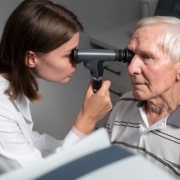
Some of the conditions that patients are at risk of developing have few or no symptoms in the early stages and can lead to permanent loss of eyesight. The only way to catch some of these conditions in the early stages is to see the eye doctor regularly for comprehensive examinations. During these exams, the eye doctor will dilate the eyes and look inside to identify damage from eye diseases.

Know the Symptoms to Watch Out For

Knowing the symptoms of eye disease can prompt patients to go to the eye doctor in Champaign, IL as soon as symptoms emerge.

  • Blurry vision
  • Wavy vision
  • Poor color vision
  • Dark areas in the vision
  • Floaters in vision
  • Flashes of light
  • Vision loss

Make An Appointment With Your Eye Doctor

Are you noticing problems with your vision? Do you have diabetes? Visit the eye doctor once annually. Contact the pros at Champaign Eye Professionals. We’ll schedule a comprehensive vision exam to diagnose your vision problems today.