What Are Some Common Symptoms of Cataracts?

Have you been experiencing changes to your vision? This may be a sign of cataracts — a condition that can affect your vision, especially as you age. At Champaign Eye Professionals, our eye doctors in Champaign, IL, offer testing and treatment options to help you see better.

What Are Cataracts?

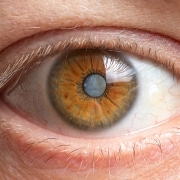
These are areas of cloudiness that form on your eye lenses as proteins break up. You can develop them due to age-related eye changes, especially if you have risk factors, like being a smoker or having high blood pressure. Recognizing these symptoms can help ensure you seek care for this condition.

Vision Changes

Cataracts can affect your ability to see in different ways, such as:

  • Blurriness
  • Clouding
  • Double vision
  • More frequent eyeglass prescription changes

Note that these symptoms can start slowly and gradually become worse over time.

Light Sensitivity

As your lenses become more clouded, you may experience increased sensitivity to light. You might notice more glare in certain lighting conditions or see halos around lights.

Night Vision

Cataracts can cause problems seeing in dark or low-light conditions as they get worse. You might have a hard time driving or doing other tasks at night. You might need brighter lighting for reading in low lighting, too.

Color Perception

Do colors look more faded to you? As cataracts keep clouding your lenses, this can affect how you perceive colors. They might look more dull or take on a yellowish tint that they didn’t have before.

Visit Our Optometrists for Cataract Care!

Do you need help managing this condition or having it treated? Our eye doctors at Champaign Eye Professionals offer diagnosis and treatment of cataracts in Champaign, IL, to protect your vision!

Can a New Eyeglass Prescription Fix My Cataracts?

Cataracts impact millions of people across an array of age groups, making it one of the more common eye disorders that you can get. However, even though it’s extremely common, the actual progression of the disease can vary drastically from one person to the next. Here, we’ll look at whether you can manage cataracts with little more than a new prescription.

Understanding Cataracts

Cataracts are more likely to affect people over the age of 50, though everyone from infants to pregnant women can get them. For some people, cataracts progress slower than molasses, meaning they may be able to manage the disorder just by getting a stronger progression. For most people, though, they’ll need more to help them see — especially for activities like driving in the dark.

How to Treat Cataracts

Treating cataracts is often a matter of paying attention and making sure that you visit an eye doctor in Champaign, IL. Cataracts can creep up on people if they’re not careful. If your vision has taken on a yellowish tinge, colors are becoming muddier, or you’re seeing double vision, it could be a sign of cataracts. Even if all you need is a new pair of glasses, you won’t want to wait for things to get worse.

At Champaign Eye Professionals, we know just how difficult it can be to experience any changes to your vision, let alone a lifetime condition of cataracts in Champaign. The good news is that there are plenty of ways to treat the condition, with cataract surgery being as effective as it is painless. Quick, simple, and nearly foolproof, you can explore any number of ways to treat cataracts with our expert team.

Tips to Reduce Your Risk of Getting Cataracts

Do you have cloudy vision or see halos around lights? Getting older often means dealing with increased risks of eye conditions, including cataracts. These occur when your eye lenses become clouded. Our optometrists in Champaign, IL, at Champaign Eye Professionals offer treatment for cataracts if they’re severe enough to interfere with your vision. But you can take steps now to help reduce your risk of getting them.

Don’t Skip Eye Exams

Routine eye and vision exams are always important. If you’re concerned about developing cataracts, these visits give us a chance to check for them on a regular basis. Finding them early means we can monitor them and provide treatment if needed.

Stop Smoking

Being a smoker means you have a higher chance of getting cataracts — and many other health issues. Work on quitting if you have this habit.

Protect Your Eyes from the Sun

UVB rays from the sun can damage your vision and increase your risk of having cataracts. Throw on a pair of sunglasses before heading outside, even in winter. But make sure they offer protection from UVB rays!

Manage Medical Conditions

Some diseases, such as diabetes, give you a higher risk of having cataracts and other eye conditions. Work on managing these underlying health issues to protect your vision.

Fill Up on Fruits and Vegetables

Berries, spinach, and other fruits and vegetables have antioxidants that help keep your eyes healthy and safe from damage. Include these in meals, and enjoy them as snacks!

Schedule an Eye Checkup Today!

Worried about getting cataracts? Regular eye exams are an important part of finding them early and treating them as needed. Our optometrists at Champaign Eye Professionals offer cataract treatment in Champaign, IL, to help support your vision!

Can Sunglasses Prevent Cataracts?

If you’re worried that you may develop cataracts, you might consider having a cataract evaluation in Champaign, IL. A cataract evaluation can let you know if cataracts are developing or returning, if you’ve had them previously. Cataracts can happen to anyone, but age is definitely a risk factor. However, few people realize that prolonged and/or chronic exposure to the sun’s harmful ultraviolet (UV) rays can damage the proteins in the lens of the eye, leading to cataract formation. For this reason, sunglasses are a useful preventative measure that may help prevent cataracts.

How Sunglasses Help

Sunglasses help by blocking out a percentage of the sun’s rays. Some sunglasses even go so far as blocking out 100% of harmful UVA and UVB rays, which will certainly minimize the risk of developing cataracts. But not every pair of sunglasses can do this. You need to make sure you buy quality sunglasses, preferably a name brand, with lenses that have been UV-rated.

Choosing the Right Sunglasses

To get the most benefit, look for sunglasses labeled as offering 100% UVA and UVB protection. Polarized lenses can also reduce glare, making it easier to see in bright sunlight, though polarization doesn’t add UV protection. Wraparound styles are particularly useful as they block UV light from entering around the sides of the glasses, offering even more protection. Youreye doctor in Champaign, IL offers qualitysunglasses that are trendy and offer the kind of UV protection you need to shield your eyes from the sun’s rays in summer and in winter.

You don’t have to relegate yourself to a future with cataracts. In many cases, cataracts can be avoided, and there are many older people who have never had them. If you have more questions, or would like to book a cataract evaluation, please contact Champaign Eye Professionals today.

Will I Be Able to Drive with Cataracts?

Cataracts in Champaign, IL affect the lens of the eye, otherwise known as the element that focuses light so that it can transmit signals to the brain. When you’re young, that lens is typically crisp and clear, but the lens can start to yellow as you age. While cataracts can happen to anyone, including infants, they tend to affect people in their 60s and 70s. If you’re wondering if you can drive if you have cataracts, we’ll look at the safety concerns.

Driving with Cataracts

If you’re asking whether you can drive with cataracts, the shortest answer is that some people can and do drive with cataracts. Usually, at the beginning of the disorder, your vision hasn’t changed drastically enough to impair your abilities on the road. However, cataracts usually get worse over time, so it’s important to pay attention to deteriorations long before they can affect another driver, passenger, or pedestrian.

What to Keep in Mind

Cataracts can progress very differently for different people. In some cases, the disease is so slow-moving that it doesn’t affect the individual in any noticeable way. They may have a slight tinge in their vision, but not enough to impact their daily routines. For others, the issue progresses rapidly, quickly becoming a do-or-die situation requiring cataract surgery to see clearly. The problem is often the in-between cases, where the changes occur, but they’re slow enough that they’re not altogether noticeable.

If you have questions about your cataracts, it can help to see an eye doctor in Champaign who can tell you more about whether it’s safe for you to get behind the wheel. At Champaign Eye Professionals, we can give you a comprehensive evaluation, so you’re completely confident on the road.

What Is a Cortical Cataract?

While millions of people will experience cataracts throughout their lives, not everyone will have the same type of cataract. If you’ve heard the term cortical, we’ll look at what it means, how it differs from other types of cataracts, and what you can do to abate or eliminate the disorder.

What Are Cortical Cataracts?

There are three types of cataracts that you can get: cortical, nuclear, and posterior subcapsular. They are differentiated based on where the clouding of the lens occurs. An eye doctor in Champaign, IL, can explain that with a cortical cataract, the yellowing of the lens starts in the outer layer. Cortical cataracts are the ones most associated with diabetes?

Are Cortical Cataracts the Most Common Form of Cataracts?

No. The nuclear cataract is the most common type of cataract. The nuclear cataract starts in the central part of the lens and is usually caused by the general aging process.

What Are the Symptoms of Cortical Cataracts?

The most common symptom is light sensitivity, which is caused by the disruption of the lens fibers via the protein clusters. This scatters the light you see and can sometimes lead to glare. It’s worth noting that while there is no known cause for cataracts, they have been linked to smoking and poor diets.

Visit an Eye Doctor in Champaign, IL

If you’re looking for an eye doctor for a cataract evaluation in Champaign, IL, who can help you learn more about how your eyes are progressing, visit the team at Champaign Eye Professionals. In some cases, you may be able to reduce the symptoms of your cataracts via eyewear or lifestyle changes. For others, they may need surgery to help clear up the clouding of the lens.

How to Choose a Cataract Surgeon

Cataract surgery is one of the most common procedures that you can ever sign up for. Fast, simple, and relatively painless for the patient, it’s billed as nearly foolproof for anyone who needs it. Of course, despite the straightforward nature of cataract surgery, these are still your eyes. If you want to reduce the odds of a complication, we’ll look at how to make a better decision.

Expertise in the Optical Industry 

Surgery is a field that changes quite often, particularly as new technology debuts in the operating room. If you’re working with an older surgeon who has been taught a certain way, they may not have all the facts.

This doesn’t mean that you should find a younger surgeon, but it may mean asking the surgeon more questions about what they offer and comparing it to other surgical practices in the area. For example, not every eye doctor in Champaign, IL, will offer the type of intraocular lens that would help your vision the most. If you’re confused about exactly where to start, consider asking your current optometrist for their professional opinion.

Cataract Surgeons in Champaign, IL 

Cataract surgery in Champaign, IL, is more than just the main event. You need to be comfortable with the staff so you can get your questions answered and keep up with your appointment schedule. If you feel uncomfortable when you visit, or you find yourself doubting the information you’re getting, it can cause you more grief than it’s worth.

If you’re looking for a cataract evaluation in Champaign, IL, contact Champaign Eye Professionals today to make an appointment. In addition to assessing your eyes for this common condition, we can be a springboard to help you find a surgeon who can help you see more clearly.

What Do I Do If I Have a Cataract in One Eye?

If you have a cataract in one eye only, it’s normal to wonder how that will affect your overall vision. When one eye can compensate, you might even wonder how necessary it is to take action in the first place. We’ll look at how the cloudiness impacts your overall sight so you have a better idea of how to handle it.

Know the Facts 

Cataracts in Champaign, IL, are essentially a yellowing of the lens in the eye. Much like a piece of paper might fade over time, so too will different body parts. If your other eye is crystal clear, you may not notice much of a change at first. This is partially because the dominant eye will take over and partially because some cataracts will move slowly.

Protect Your Eyes 

No matter what your vision is like right now, though, there has never been a better time to protect it. Adding more fruits and veggies to your diet and wearing sunglasses every time you step outside should be the bare minimum. The more you kick into proactive gear, the fewer issues you’ll have down the line.

Consider Cataract Surgery in Champaign

Protecting your eyes won’t reverse the cataract; it will only (potentially) slow down the progression. Plus, there is no medication that can help you manage the symptoms. If you and your optometrist in Champaign, IL, have seen that your vision is significantly impaired due to your cloudy outlook, cataract surgery is as safe as it is effective. One of the most common surgeries in the industry, it’s a fast outpatient procedure with around a 99% success rate. Contact Champaign Eye Professionals to learn more about it to see how we can help.

What to Expect With Cataract Surgery

Each year, millions of people have cataract surgery. The method has been proven to be effective and safe both by scientific studies and by practice. Yet, when it’s you who needs cataract surgery in Champaign, IL, it can feel scary. The more you know about what to expect, the better off you’ll feel. Here is some helpful information about cataract surgery.

Pre-surgery

Your cataract surgery will be scheduled for a particular future date. You’ll be given time to prepare for the surgery and provided with some helpful tips to help get you ready. You should try to eat nutritiously and avoid excessive drinking and smoking. The better condition you’re in physically, the speedier your recovery time will be. You may be asked to stop taking certain medications that could affect the surgery or recovery. You may also be prescribed eye drops that may be used before or after the procedure.

During Surgery

You can expect the surgery to take about an hour. However, you should clear your day because it’s unlikely you’ll want to resume regular activities afterward. You should also plan to have someone drive you home after the surgery. You will be given a sedative to help you relax, and a local anesthetic and a numbing agent will be applied around the eye. During the actual surgery, you’ll be aware of the activity, but you won’t be able to see what the eye doctor in Champaign, IL, is doing.

After Surgery

You’ll have time to rest post-surgery, and you’ll be watched to make sure you’re comfortable. After about 30 minutes, you’ll be fitted with an eye patch over the treated eye and a pair of special sunglasses to wear over the next several weeks. You’ll also be given at-home instructions and given a follow-up appointment.

To learn more about the details of having cataract surgery or to book your appointment, please contact us today.

What You Need to Know about Diabetes and Cataracts

If you have diabetes, you should talk with your optometrist in Champaign, IL, about your eyes. Diabetes can wreak havoc on your eyes, and that includes giving you diabetic cataracts. Keep reading to learn more.

What Are Diabetic Cataracts?

People who have diabetes are more likely to develop cataracts at an earlier age than those without diabetes. As you age, the lenses in your eyes become thicker and less transparent. But when you have diabetes, and you age, your high blood sugar levels can change the structure of the lens of your eyes. This is what accelerates the growth of cataracts in your eyes.

When this happens, you will notice clouding in your eyes. Therefore, it’s extremely important to schedule a cataract eye exam in Champaign, IL, immediately if you begin to notice changes in your vision.

What Type of Cataracts Are Caused by Diabetes?

The most common type of cataracts in people with diabetes is called senile type [10]. However, those with type 1 diabetes commonly have what’s called snowflake cataracts. Then, there are posterior subcapsular cataracts that are also associated with people who have diabetes. Your eye doctor in Champaign, IL, will be able to examine your eyes and tell you which type of cataracts you have.

What Is the Treatment for Diabetic Cataracts?

There are several available treatments for diabetic cataracts at the time of surgery that will help prevent your cataracts from getting worse. These include intravitreal steroids of both injections and implants. There are also macular laser therapy treatments and intravitreal anti-vascular endothelial growth factor medications as well.

Do You Need an Optometrist in Champaign, IL?

If you need an optometrist in Champaign, IL, please Contact Champaign Eye Professionals today. We have two highly skilled optometrists on staff, and we are dedicated to helping you maintain a healthy vision throughout your life.