How Blue Light Affects Sleep Quality

In today’s world, screens are everywhere—phones, tablets, computers, even TVs before bed. While convenient, these devices give off blue light, which can affect more than just your eyes. It also has a direct impact on how well you sleep at night.

Why Blue Light Interferes With Sleep

Blue light has a unique wavelength that stimulates the brain and helps keep you alert. During the day, that’s actually helpful because it supports focus and energy. At night, though, exposure to blue light can trick your brain into thinking it’s still daytime. This delays the release of melatonin, the hormone that signals your body it’s time to rest.

How It Affects Your Sleep Cycle

When melatonin levels stay low, falling asleep can take longer, and staying asleep becomes more difficult. Over time, disrupted sleep cycles may leave you feeling less rested, even after a full night in bed. Many people notice they wake up groggy or have trouble concentrating the next day if they’ve spent time scrolling before bedtime.

Steps To Reduce The Impact

There are practical ways to limit the effects of blue light. Setting devices aside an hour before bed gives your body a chance to wind down naturally. Blue light–filtering glasses in Champaign, IL, available through your optometrist, or screen settings that reduce brightness can also help. Creating a calming bedtime routine—reading a printed book, stretching, or listening to soft music—can signal your body that it’s time to relax without the interference of screens.

While blue light is part of everyday life, managing how and when you’re exposed to it can improve sleep quality. If you’ve been struggling with restless nights or constant fatigue, it may be worth talking with your optometrist in Champaign, IL. They can recommend solutions that protect your eyes while helping you get the rest you need.

Why Glare is Worse at Night

Driving after dark can be tough for many people, even those with otherwise healthy eyes. One of the most common complaints is glare—bright halos around headlights or reflections that seem more intense than during the day. But why does glare feel so much worse at night? The answer comes down to how our eyes adjust to low light and the way light scatters inside the eye.

How the Eyes React to Darkness

Knowing how the eyes work helps to understand why glare worsens at night. Light enters the eyes through the pupil, that black dot in the middle of your eye. The camera lens was modeled on the human eye. Like a camera aperture, the pupil widens when there’s less light in order to allow more light rays to enter the eye—because light enables visibility.

So, while this widening of the pupil lets a person see in dark conditions, it simultaneously allows more stray light to enter. Instead of being focused cleanly on the retina, some of that light scatters, creating a hazy glow or halo effect. This is why headlights or streetlights can seem almost blinding compared to their daytime appearance.

Common Causes of Night Glare

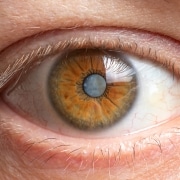
Certain eye conditions make glare more noticeable. Cataracts in Champaign, IL, for example, cloud the lens and scatter light more severely. Dry eye can also increase glare, since an uneven tear film changes how light bends as it enters the eye. Even uncorrected vision problems, like nearsightedness or astigmatism, can exaggerate nighttime glare.

Daily Impact

For many people, glare is more than an annoyance—it can affect safety. Driving becomes stressful, especially on busy roads where headlights shine directly into your line of sight.

If glare is interfering with your daily life, it’s worth scheduling an eye exam with your optometrist in Champaign, IL. Contact Champaign Eye Professionals to book your appointment.

How to Relieve Your Eyes from Harsh Lighting at Work

Being under harsh lighting at work can be detrimental for your eye health, especially if you find yourself straining or squinting by the end of the day. However, in many jobs, there aren’t always a lot of easy solutions. For example, a surgeon may not be able to take a break to get more natural lighting if they’re in the middle of a surgery.

What’s worse, harsh lighting can start to feel ‘normal’ after a while, which can take a bigger toll than you realize. Here, we’ll look at a few tips that can give you some relief.

Take Protection Into Your Own Hands

Many people may tell you to go outside for more natural lighting or to adjust the glare if you want to protect your eyes at work. Of course, not every workplace allows for this, which is why you may need to make a more conscious effort.

For example, you may need to force yourself to blink more often, which is your body’s best chance at lubricating your eyes under even the harshest of lights. If you can, you can also carry eye drops on you, so you can lubricate your eyes whenever you get a chance to rest.

See an Optometrist in Champaign

The best thing that you can do at work is to give yourself breaks, adjust your lighting, and implement task lighting. If you can’t do that, though, an optometrist in Champaign, IL may be able to help you beyond blinking and over-the-counter eye drops.

Whether you need prescription-strength drops or a special pair of eyeglasses in Champaign, the staff at Champaign Eye Professionals can help you learn more about potential options — even if you almost none at work.

Tips to Reduce Your Risk of Getting Cataracts

Do you have cloudy vision or see halos around lights? Getting older often means dealing with increased risks of eye conditions, including cataracts. These occur when your eye lenses become clouded. Our optometrists in Champaign, IL, at Champaign Eye Professionals offer treatment for cataracts if they’re severe enough to interfere with your vision. But you can take steps now to help reduce your risk of getting them.

Don’t Skip Eye Exams

Routine eye and vision exams are always important. If you’re concerned about developing cataracts, these visits give us a chance to check for them on a regular basis. Finding them early means we can monitor them and provide treatment if needed.

Stop Smoking

Being a smoker means you have a higher chance of getting cataracts — and many other health issues. Work on quitting if you have this habit.

Protect Your Eyes from the Sun

UVB rays from the sun can damage your vision and increase your risk of having cataracts. Throw on a pair of sunglasses before heading outside, even in winter. But make sure they offer protection from UVB rays!

Manage Medical Conditions

Some diseases, such as diabetes, give you a higher risk of having cataracts and other eye conditions. Work on managing these underlying health issues to protect your vision.

Fill Up on Fruits and Vegetables

Berries, spinach, and other fruits and vegetables have antioxidants that help keep your eyes healthy and safe from damage. Include these in meals, and enjoy them as snacks!

Schedule an Eye Checkup Today!

Worried about getting cataracts? Regular eye exams are an important part of finding them early and treating them as needed. Our optometrists at Champaign Eye Professionals offer cataract treatment in Champaign, IL, to help support your vision!
Sunglasses: More Than Just for Looks 

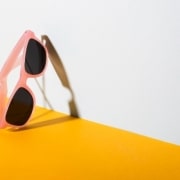
Sunglasses are a summer essential, and with that season just around the corner, the team at Champaign Eye Professionals wants to take a moment to highlight the health benefits of wearing sunglasses. There’s more than just a fashion statement made when you don a pair of shades. Here are some reasons why your eye doctor in Champaign, IL, wants you to wear sunglasses.

UV Ray Protection

Ultraviolet rays from the sun can cause damage to your eyes. While this damage doesn’t happen instantly, over time, it can be serious. It can also increase your risk for permanent conditions like cataracts and macular degeneration. What makes this issue so challenging is the fact that the damage occurs a little bit at a time. As long as you buy properly rated sunglasses, they will filter some of those UV rays.

Better Visual Comfort

Squinting from the sun or light reflecting off of snow in winter can make your eyes feel less comfortable. Eye strain in bright lights is a common concern. Wearing sunglasses stops this problem. You can see with more comfort and less frustration.

Better Control Over Seasonal Allergies

If you have seasonal eye allergies, going outside in spring or fall can simply be torture. A pair of sunglasses can act as a barrier to the pollen and dust that accosts your eyes. While not a cure for seasonal allergies, they can help.

One of the best ways to enjoy these benefits without sacrificing the quality of your vision is with prescription sunglasses from your eye doctor in Champaign, IL. If you’re interested in seeing our extensive selection of prescription sunglasses so you can enjoy these benefits, schedule an appointment with Champaign Eye Professionals today.

What it Means When One Eye Sees Blurry and the Other Doesn’t

First off, it’s quite common for people to have different levels of vision in each eye. During your eye exam in Champaign, IL, your optometrist might discover the need for a different prescription in your right eye than your left. This is no cause for concern. But there’s a certain condition, known as monocular blurry vision, that can stem from minor issues to more serious health concerns. Only your eye doctor can diagnose this condition.

Possible Causes of Blurry Vision in One Eye

One common cause, which we mentioned just now, is simply either nearsightedness or farsightedness, where one eye’s prescription differs from the other. Don’t worry about that. Then there’s dry eye syndrome, and that can also lead to temporary blurriness in one eye.

Some eye infections can cause alarming and sudden blurred vision in one eye. Your optometrist can help with this. Then there’s cataracts, which slowly cloud the lens of the eye. You’ll be able to see this in the mirror. A detached retina can also cause sudden and abrupt blurry vision, in which case you should hop in the car right away—with someone else driving—to seek help.

When to Seek Immediate Help

If the blurriness comes on unexpectedly and suddenly, is accompanied by intense pain, headaches, dizziness or blindness, this often indicates a more serious issue, which requires immediate attention from a professional. Other concerning causes include glaucoma, which increases eye pressure and can damage vision, or diabetic retinopathy, a complication of diabetes affecting the retina.

If you notice persistent or sudden blurry vision in one eye, scheduling an eye exam is crucial. Your optometrist in Champaign, IL can diagnose the issue and recommend treatment, whether it’s updating a prescription, using eye drops, or addressing a more serious condition. Early intervention can help prevent worsening vision and protect long-term eye health.

How Screens Impact Eye Health

Modern life has given the world tremendous advantages, but increased screen time isn’t one of them. It’s still too early to definitively tell the long-term effects of humans looking at screens so much; we might not have any answers for many decades to come. But we already know the short-term effects and your optometrist in Champaign, IL wants you to be aware of the risks. No one expects you to quit all screens. But it’s important to know how screens can impact eye health.

Digital Eye Strain

Prolonged focus on screens can lead to digital eye strain, also known as computer vision syndrome. Symptoms include eye fatigue, blurred vision, headaches and difficulty focusing. These occur because extended screen use reduces blink rates, causing the eyes to dry out and work harder to maintain focus.

Blue Light Exposure

Many screens emit invisible blue light, a high-energy wavelength that can disrupt natural sleep cycles, especially when exposure occurs at night. Extended exposure to this light may also lead to more frequent eye fatigue during daily activities.

Dry Eye Syndrome

Digital devices contribute to dryness in the eyes because users blink less often when focusing on a screen. This reduction in blinking leads to decreased tear production and evaporation of moisture from the eye’s surface. Over time, this can cause irritation, redness and discomfort.

Myopia Progression

Research suggests that extensive screen time, especially among children, is associated with an increased risk of developing nearsightedness (myopia). Spending long periods focusing on nearby screens limits exposure to natural light and may alter the development of the eye, leading to myopia progression.

Reduced Visual Performance

Long-term screen use can impair the ability to focus or adjust between different viewing distances. This can result in lingering discomfort, particularly in environments that demand high visual acuity, such as reading fine print or working on detailed tasks.

These impacts emphasize the importance of balancing screen time with other activities to maintain optimal eye health. For help with any of the symptoms associated with excess screen time, including dry eye syndrome in Champaign, IL, contact us today.

3 Benefits of Optilight 

Optilight is a device that’s used to treat dry eye disease. It essentially delivers light pulses to the eyes, which warms your meibomian gland to increase tear production. Below, we’ll look at how the device works and its three key benefits.

1. Improve the Quality of Your Tears 

Your tears rely on oil to lubricate the eye and prevent it from drying out. With Optlight, the device gently warms the oil in your glands located on the edges of your eyelids, giving it a chance to mix with the water and saline produced by your tears. If you find your eyes constantly watering without ever actually feeling any relief, chances are you have meibomian gland dysfunction (also known as the most common reason for dry eye in Champaign, IL).

2. Clean Your Eyes 

Your eyes can be a magnet for mites, bacteria, and grit. With the Optlight, the sessions can clean out your eyes from all the visible and invisible gunk.

3. Decrease Inflammation

If you have Inflammation around your eyes, whether from lack of sleep or chronic dry eyes, the Optilight can help you target the problem areas and cut down on the irritation.

Find an Eye Doctor in Champaign, IL 

There are a number of home-made remedies to treat dry eyes. Anything from a warm compress to an over-the-counter dry eye mask can help you break up the oil in your meibomian gland. The difference between these remedies and the Optilight is that it’s a far more targeted procedure, which may be the best decision you can make if you have a stubborn case of dry eyes. If you’re looking for an eye doctor in Champaign, IL that can schedule you for the service, contact the team at Champaign Eye Professionals today!

Do Your Eyes Need the Vitamin D from Sunlight?

Throwing on your sunglasses is a habit for most people, one that can be as important to their outfit choice as it is to shield their eyes from the glare. However, you may have also heard that your eyes need the sun to maintain optimal visual health. Below, we’ll look at how Vitamin D impacts your eyes and what you can do to strike the best balance.

Vitamin D and Eye Health

Vitamin D, whether it comes from the sun or supplements, is good for your visual health. It’s associated with reduced risk of everything from glaucoma to cataracts to age-related blindness.It may even help younger people with their distance vision, particularly teenagers. Plus, eye doctors in Champaign, IL will tell you that Vitamin D strengthens your bones, supports your immune system, and helps you keep on a good sleep schedule.

Do I Need Sunglasses in Champaign, IL?

Yes, you’ll still need to wear sunglasses. While the Vitamin D from the sunshine is great for your eyes, the dangers of the UV rays can unfortunately cancel out the benefits of Vitamin D. This is where some people may need to perform more of a balancing act than others.

For instance, if you have a history of sun cancer in the family, you may not want to leave your eyes exposed to the sun for too long (because you can’t use sunscreen on your eyelids). However, for most people, it pays to give your eyes short breaks from sunglasses (or to at least start to take Vitamin D supplements if they’re in short supply.

If you’re looking for either regular or prescription sunglasses in Champaign, IL, the team at Champaign Eye Professionals can help you find a style that can protect your eyes from the worst of the sun’s glint.

What Is Temporary Blindness?

Temporary blindness is a more common condition than you might think. Consider how you might lose your vision for a few seconds if you get up too quickly, only to have it return in the blink of an eye. Of course, temporary blindness covers a range of issues, so it helps to be aware of what they are and when it’s time to seek medical attention.

Temporary blindness refers to any vision loss in either one or both of your eyes. Temporary blindness shouldn’t last for more than a few minutes before you regain full visual abilities. An eye doctor in Champaign, IL will tell you that even if it doesn’t happen very often, you should keep track of any patterns you notice for either eye.

What Causes Temporary Blindness?

Temporary blindness is often caused by an issue with your blood vessels. If there’s any blockage to the blood flow, it can disrupt the retina’s ability to see. Blockages can be caused by anything from high blood pressure, blood clots, or plaque build-up. Another common reason you might lose your sight is due to migraines, which can cause partial or total vision loss due to a constriction of your blood vessels.

When to Talk to an Eye Doctor in Champaign, IL 

The most common reason to talk to your eye doctor is if you’re having recurrent, unexplained episodes of temporary blindness, or if it’s accompanied by other severe symptoms like ongoing dizziness. If you’re looking for a comprehensive eye exam in Champaign, IL, the team at Champaign Eye Professionals can help you pinpoint what’s causing the problem and what you can do to prevent it.