What Do I Do If I Have a Cataract in One Eye?

If you have a cataract in one eye only, it’s normal to wonder how that will affect your overall vision. When one eye can compensate, you might even wonder how necessary it is to take action in the first place. We’ll look at how the cloudiness impacts your overall sight so you have a better idea of how to handle it.

Know the Facts 

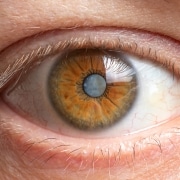
Cataracts in Champaign, IL, are essentially a yellowing of the lens in the eye. Much like a piece of paper might fade over time, so too will different body parts. If your other eye is crystal clear, you may not notice much of a change at first. This is partially because the dominant eye will take over and partially because some cataracts will move slowly.

Protect Your Eyes 

No matter what your vision is like right now, though, there has never been a better time to protect it. Adding more fruits and veggies to your diet and wearing sunglasses every time you step outside should be the bare minimum. The more you kick into proactive gear, the fewer issues you’ll have down the line.

Consider Cataract Surgery in Champaign

Protecting your eyes won’t reverse the cataract; it will only (potentially) slow down the progression. Plus, there is no medication that can help you manage the symptoms. If you and your optometrist in Champaign, IL, have seen that your vision is significantly impaired due to your cloudy outlook, cataract surgery is as safe as it is effective. One of the most common surgeries in the industry, it’s a fast outpatient procedure with around a 99% success rate. Contact Champaign Eye Professionals to learn more about it to see how we can help.

Taking Care of Older Eyes

As you age, your eyes also age. Just like other parts of the body, your eyes need special consideration when they get older. Your optometrist in Champaign, IL, has some tips on caring for older eyes so you can enjoy the best possible eyesight well into the golden years.

Avoid Cataracts

Statistics say that over 90% of people aged 65 and older will develop cataracts. Because of this high percentage, many people believe that cataracts are inevitable. However, many people never develop cataracts, and there’s no reason you can’t be among the lucky few.

Cataracts in Champaign, IL and other places develop with the proteins in the eye’s lens clump together as they break down with age. But if you take certain precautions, you can delay or prevent this from happening by:

  • wear sunglasses every day
  • quit smoking
  • eat healthy
  • avoid excess alcohol intake

Avoid Diabetic Retinopathy

Diabetes is a disease that affects millions of people around the world. This underlying condition can lead to diabetic retinopathy, where your very eyesight is jeopardized. Rather than lose your eyesight, be sure to have your blood sugar checked on a regular basis. If you have diabetes, let your optometrist know so they can check for symptoms of diabetic retinopathy.

Avoid Glaucoma

Glaucoma is another thief of eyesight. Unchecked glaucoma has the potential to cause partial or total blindness. Older folks, in particular, need to have regular glaucoma tests in Champaign, IL, at every eye exam. Since early detection can save vision, a good rule of thumb is to get a glaucoma test once every six months, at a minimum.

Older eyes do better with tender, loving care and attention. For more eyecare tips from your Champaign, IL optometrist, please contact us today to book your appointment.

The Link Between Eye Strain and Screens

As a child, you may remember hearing your parents warning about straining your eyes. “Don’t strain your eyes,” they’d say as they turned on the lamp while you were reading or urged you to sit back away from the TV while you watched your favorite show. While the concept of straining your eyes may seem like an old wives’ tale, it’s very real. And, in today’s world, filled with screens, it’s become more common than ever before.

What is Eye Strain?

Your optometrist in Champaign, IL, can explain eye strain in detail during your next eye exam. But in general, eye strain is a kind of eye fatigue, where the muscles of your eyes become fatigued due to overexertion. Compare it to holding something heavy over your head for a long time. Eventually, your arm muscles would give out because of the strain. That’s similar to what your eyes are subjected to under certain circumstances.

The Link Between Eye Strain and Screens

Today, we stare at screens for hours on end. We look at our phones while we wait in line, peruse a screen at a restaurant to see what’s on the menu, look at the computer screen at work, then come home and stare at a television screen until bedtime. It’s relentless.

Most light emitted from screens is blue light, which is especially harmful to the eyes. Worse, studies have shown that people blink less often when staring at screens, increasing eye strain. The situation is so bad that a dedicated term has been coined called “computer vision syndrome.”

Your optometrist in Champaign, IL, at Champaign Eye Professionals, can offer you ways to protect your eyes from eye strain. Come for an eye exam and learn how to reduce or eliminate eye strain.

How Can an Optometrist Help You See Better at Night?

The right optometrist in Champaign, IL, will be able to give you a general overview of your eyesight as well as specific recommendations on how to help improve it. If you’ve struggled to make out your surroundings at night to the point where you worry about your safety both on the road and off, we’ll look at what an optometrist can do to help you balance it out.

Improving Night Vision in Champaign

There are a few things that you can do on your own to help you see better at night, including eating more of the infamous carrots that you may have heard more about in your younger years. This is because Vitamin A is great for night vision, and if you’re not a fan of carrots, you can get it from sweet potatoes, spinach, or red bell peppers. Cutting back on smoking and getting more sleep doesn’t hurt either, as both can improve your ability to see at night.

How an Optometrist Can Help

Your Optometrist may not have a magic wand, but they may know more about which lenses can help you correct everything from farsightedness to astigmatism. They can treat things like cataracts and glaucoma or recommend coatings for your glasses that can fend off the glare from headlights.

Night vision in Champaign, IL, is more than just making out shapes in your home when you have to find the lamp switch. This can be the key to doing more at all hours of the day, whether that’s running a few errands or going to your favorite events. If you’re looking for a team that can help, visit Champaign Eye Professionals to learn more about what’s causing the problem and what you can do to correct it.

When Should I Be Concerned About Flashes in My Eyes?

Flashing lights in your eyes can happen for any number of reasons, and not all of them require any type of medical intervention. You should be concerned about the frequency and the types of flashing. Learn more about the potential culprits and how the right optometrist in Champaign, IL, can help you treat the issues.

Normal Vs. Abnormal

Your eye is held in a circular shape with the help of virtuous gel. Should that gel change at any point, which is a relatively normal occurrence, you may see either an eye flash or what’s known as a floater. Sometimes, the changes are due to conditions like near-sightedness or recent eye surgery. If the gel changes consistency over time, it will eventually start to separate from the retina. Again, this part is nothing to worry about.

The situation starts to get a little less straightforward when the gel doesn’t separate from the retina. This is more likely to happen when the gel is firmly attached to the side of the eyeball and, in the worst-case scenarios, may result in a tear in the retina if you’re experiencing a lot of flashing, particularly if the flashes look like intense brights spots or cosmic events (e.g., shooting stars, etc.). If you’re getting repeated flashes within a few seconds of each other, that could be a sign of a tear.

Treating Eye Flashes in Champaign

Eye flashes in Champaign, IL, may be the result of little more than the gel in your eye shifting around. However, if the intensity of frequency has been increasing, it might be time for a comprehensive eye exam. At Champaign Eye Professionals, our staff can help you determine the root cause so you can address it before any further damage occurs.

3 Tips for Finding a Better Vision Plan for You

The right vision plan in Champaign, IL, can significantly impact your health and your wallet. If you’re interested in how you can get a better one for you, we’ll look at how to plan ahead.

Finding the Right Balance

For people with 20/20 vision and good eye health, it would be easy to choose the base plan. This would likely cover an annual exam and not much more. It’s a logical assumption, but it ignores what would happen if there was a hiccup in your usual routine. If you don’t want to be caught off-guard having to pay for additional services, it’s important to consider how different events will impact your vision. For instance, if you need glasses for reading, it’s worth paying a few bucks more per month so you don’t have to pay out of pocket for lenses and frames.

Do the Research

Vision plans are more than just co-pays and contact lens cut-offs. Riders to your standard vision and ancillary plans can cover different services and products, but it’s important to have all the information upfront before signing the dotted line. At Champaign Eye Professionals, we recommend mapping out what you’ll pay annually for the plans against how much the services for certain conditions would cost individually.

Talk to the Right Eye Doctor in Champaign

The right eye doctor in Champaign will have a staff that can tell you not just how certain plans work, but why one might be right for you over another. If you’re ready to step up your plan (or find one in the first place), contact our office to learn more about what’s available and how it would impact you over the course of the year.

Why Do I Have Black Spots in My Vision?

Black spots in your vision may be nothing to worry about. Then again, they could be a symptom of more serious medical concerns. The only way to find out for sure is to schedule an appointment with your eye doctor in Champaign, IL. This is the professional who can help you find solutions to those annoying “floaters.” And if something more drastic is happening with your health, they’ll be your first line of defense.

What Are Black Spots in Vision?

Most people call them floaters. They look like tiny particles of dirt or debris that are”floating” across your vision. In reality, however, they’re tiny clumps of vitreous humor. This is the jelly-like substance that makes up the inside of your eyeball. Sometimes, particles of vitreous humor will clump together, forming the unusual specks, flecks, and squiggles you see in your vision. This is a very common condition, and it’s nothing to worry about.

What Causes Eye Floaters to Appear Black?

These types of floaters appear to be black because, as they drift through the eyeball, they cast shadows onto the retina. The brain then reads them as dark particles. They are often caused by normal aging. However, if you’re noticing floaters crossing your line of vision, you should schedule a visit to your eye doctor. These types of black spots are harmless, but there may be times when floaters are not caused by vitreous humor.

When Should I Worry About Eye Floaters?

You should pay special attention to floaters if you’ve been diagnosed with diabetes or if your floaters suddenly increase all at once. Either situation could indicate that something more serious is at play, such as leaking blood vessels in the retina or even retinal detachment.

Regardless of whether you have diabetes or another chronic medical condition, eye floaters require attention. For help with dark spots in your vision in Champaign, IL, call Champaign Eye Professionals today.

Haven’t Seen the Eye Doctor Recently? 3 Reasons to Make An Appointment

It’s important to see your eye doctor in Champaign, IL if you have glasses or if you’re at risk for eye diseases. Seeing your eye doctor can help you keep your eyes healthy, and can also help you maintain good vision. Below are three good reasons to see your eye doctor if you haven’t had an appointment recently.

1. Your Eye Doctor Can Diagnose Eye Diseases

Your eye doctor can diagnose eye diseases when you get a comprehensive eye examination. During these examinations, your eye doctor will dilate your pupils to see far into the back of your eye. If you’re at risk for conditions like glaucoma or macular degeneration, or if you have a condition that puts you at higher risk for eye diseases (like diabetes) seeing the eye doctor on a regular basis is important.

2. Your Prescription May Have Changed

If you have eyeglasses, your prescription may change over time. Seeing the eye doctor will catch these changes, so you can update your corrective lens prescription. This helps ensure that you can see clearly when you’re engaging in activities like driving, riding a bike, reading, and so on. Being able to see clearly is important, and it can be a matter of safety as well. Your eye doctor can help ensure that you’re able to see when you need to.

3. It’s Fun to Get New Glasses

Any time you get a new corrective lens prescription, it’s a good chance to get new glasses. Getting new glasses can be fun, especially if you like to follow glasses trends or coordinate your glasses with your outfits.

Ready for an eye exam in Champaign, IL? Call your eye doctor to make an appointment. Call Champaign Eye Professionals today.

Your Eyes Are Itchy? What to Know

Itchy red eyes can have many potential causes. If your eyes are itchy, not knowing why can make it hard to treat the problem. While it’s helpful to see your eye doctor in Champaign IL, you can get a head start on identifying the cause of your itchy eyes. Below, we’ve listed the potential causes of this problem.

Possible Causes of Itchy Eyes

There are many things that can cause your eyes to become itchy. Below are some of the most common potential causes.

Allergies

Allergic reaction can cause dust, dander and pollen to cause the eyes to become itchy. If you have seasonal allergies, you’ll probably notice your eyes becoming itchy and red at the same time each year.

Dry eye

Dry eye is a condition that can be caused by various medications, environmental factors and contact use. Strangely, if you have dry eye, your eyes may also start to water, as they compensate for the dryness in the environment.

Eye strain

Eye strain occurs when you stare at a lit screen or at something similar for a long period of time. Over time, you’ll notice your eyes becoming itchy and red.

Infection

Eye infection, particularly conjunctivitis, can cause itchiness as well as discharge. This is a very contagious condition that should be treated as soon as possible.

Airborne irritants

Airborne irritants like smoke can irritate the surface of the eyes, causing a variety of symptoms, including itchiness.

What You Can Do

If you’re suffering from itchy, red eyes, talk to your eye doctor. Make an appointment with Champaign Eye Professionals to get your eyes examined in Champaign IL. Call today to get your appointment on our schedule.

3 Surprising Ways Eyes Can be Injured

Your eye health is of paramount importance to your Champaign, IL eye doctor. With regular eye doctor appointments, you have the best chances of maintaining your vision for a lifetime. However, there are certain precautions you need to take at home, too. There are a surprising number of ways that eyes can be injured during everyday activities.

1. Paper Cuts

You wouldn’t think that something as innocuous as paper could endanger your vision. But consider an incident that happened a while back when a seated employee turned her head at the precise moment that her colleague, standing behind her, went to pass a piece of paper onto the desk. The resulting paper cut to the cornea was successfully treated, but this demonstrates how small accidents can cause great damage.

2. Tanning Beds

Many teens and young adults visit tanning beds, not knowing how dangerous the lights are to the eyes. Not wanting to have a ring around their eyes where the goggles are, they remove their goggles during the session. Hours later, they have scratchy, painful eyes that are swollen and red, with blurred vision on top of everything else. Injuries from tanning beds are not uncommon. If it happens once, chances are the eyes can recover after a day or two. But abusing the eyes in this way can eventually result in vision reduction.

3. Woodworking

Woodworking is a common pastime of Champaign, Illinois residents. Just be sure to wear safety goggles the entire time. Otherwise, the eyes are vulnerable to wood chip debris that flies through the air during cuts. There’s also the chance of wood chip dust, which is in the air, to make its way into the eyes.

A little bit of caution and care can prevent accidents like these. If you do have an eye injury, contact your eye doctor in Champaign, IL right away for help.