
Do You Have VSP Insurance? What to Know

If you’re going to your eye doctor in Champaign IL, then it’s important to know how you’ll pay for your visit. While some people pay for their vision care out of pocket, many have VSP insurance. At Champaign Eye Professionals, we make it our mission to help our patients keep their vision care affordable. We accept a range of insurances – here’s what you need to know.

What Is VSP Insurance?

VSP Vision Care is a popular form of vision insurance. Though VSP is often offered through employers, this type of insurance can also be offered to individuals for a relatively low rate. You can see for yourself what kind of plan you might be eligible for on theVSP website. Keep in mind that VSP might be offered through your job, so if you aren’t sure yet whether you have VSP, check with your employer.

What’s Covered Under My Plan?

Every plan varies, so if you’re choosing an individualized plan for you and members of your family, review the plan before paying. VSP often offers services like frames, vision exams, comprehensive eye exams and more. Since VSP can be personalized to your needs, know what you want in advance before signing up.

Does Champaign Eye Professionals Accept VSP?

At Champaign Eye Professionals, we take VSP insurance and can help our patients navigate their insurance to get the most out of their plan. If you’re not sure what kind of services you can get through VSP, check in your online VSP account, or call VSP if you have questions.

You can also call the professionals at Champaign Eye Professionals! Call today to make an appointment or just to ask your questions.
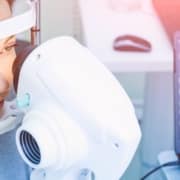

Why Does The Eye Doctor Dilate My Eyes?

When you go to the eye doctor in Champaign, IL for eye examination, your eye doctor may choose to dilate your pupils. If you’re going to the eye doctor for an examination, it helps to know what dilation is, why it’s necessary and when you can expect dilation. Here’s what you should know about this common practice.

Reasons for Eye Dilation

When your eye doctor dilates your eyes, the pupils widen. This allows your eye doctor to see inside your eyes. This unencumbered view into your eyes allows your eye doctor to see irregularities and potential eye problems that could be developing inside your eyes. Your eye doctor will dilate your eyes to check for diseases that are not easily visible from the outside of your eyes.

Will the Eye Doctor Dilate My Eyes With Every Exam?

Unless there is a good reason to dilate your eyes, your eye doctor will likely not dilate your eyes with every eye exam. If you are at risk for certain eye conditions, like diabetic retinopathy, your eye doctor may dilate your eyes more frequently than if you were at low-risk for eye conditions. Your eye doctor may tell you when you make your appointment that your eyes will be dilated, but you can also find out if dilation is likely by asking your eye doctor.

What to Expect When Your Eyes Are Dilated

When your eyes are dilated, you’ll experience sensitivity to light. You may also have difficulty focusing on certain objects. Wearing sunglasses can help protect your eyes during this time. Your eye doctor will let you know if you need a ride from your eye appointment.

It’s important to check your eyes for diseases and other conditions. If you’re due for an eye examination in Champaign IL, contact your eye doctor at Champaign Eye Professionals.

Common Eye Conditions: Presbyopia 

Presbyopia may sound serious, but in reality, it’s something that happens to most of us as we age. It’s a fancy term to describe your eyes’ inability to focus close-up as you get older. If you have presbyopia, you may need corrective lenses to see things up close, such as the small print in a book or newspaper. Your eye doctor in Champaign, IL, can tell you more about this eye condition that affects millions of people every year.

What Causes Presbyopia?

Presbyopia happens when the lens of your eye becomes less flexible due to age. Usually, symptoms begin appearing around age 40. Small print becomes more difficult to read, and you may have trouble seeing well enough to perform close-up, routine tasks, such as threading a needle. When you’re young, the lens of the eye is softer and more pliable. It’s able to change shape more easily, allowing you to shift focus between objects near and far away. As the lens ages, it loses some of that flexibility. And what was once easy to see, becomes blurred.

What Are the Symptoms of Presbyopia?

Symptoms of presbyopia are similar for everyone. Over time, it becomes more and more difficult to see close-up objects clearly. You may be forced to hold your book or newspaper further away to focus on the print. And you may suffer headaches or eye strain after a session of doing close-up work, such as sewing.

Treatment Options in Illinois

Presbyopia isn’t something to fear. In fact, it’s a very common occurrence. Treatment usually involves eyeglasses that bend the light before it reaches the lens of your eye. Other options may include refractive eye surgery or lens implants.

If you’re struggling with age-related vision changes in Champaign, IL, schedule an appointment today with Champaign Eye Professionals.